Wuhan: three towns, two rivers and a deep central-China identity
Wuhan's scale and character come from the meeting of the Yangtze and Han rivers and the historic relationship among Wuchang, Hankou and Hanyang. Yellow Crane Tower, the Hubei Provincial Museum and the riverfront provide complementary views of the city, while universities, transport, optoelectronics and manufacturing make Wuhan one of central China's major economic centres.
Two rivers, three towns
The river system explains both Wuhan's geography and the distinct identities of its urban districts.
Cultural collections
The provincial museum connects ancient artefacts, music and the wider history of Hubei.
Central crossroads
Rail, river, air links and advanced industry give Wuhan national reach.
When the schedule allows
A Little More of Wuhan, When Time Allows
These are city-specific recommendations for international visitors: major landmarks, credible cultural stops and practical shopping or dining districts.
Yangtze landmark
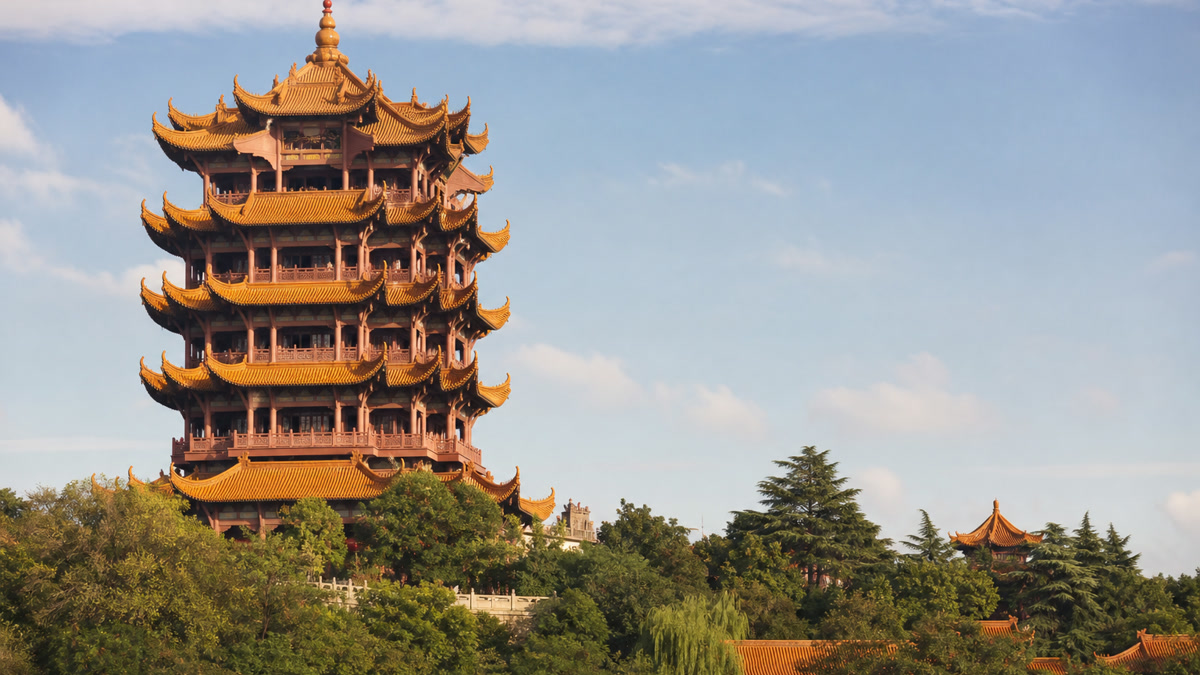
Yellow Crane Tower
Wuhan's signature landmark provides an elevated view of the Yangtze, bridges and the three-town urban geography; allow for the hill and internal stairs.
Archaeology and music heritage
Hubei Provincial Museum
A major museum centred on the Marquis Yi of Zeng discoveries, ancient bronzes and musical heritage, offering stronger regional context than a generic city display.
Urban lake and greenways
East Lake
A large lake landscape with several distinct gateways and long greenways. Select one accessible section rather than attempting to cover the entire scenic area.
Xentra Global
Connect Your Visit to Real Sourcing Work
We can help connect trade shows with supplier meetings, interpretation, factory visits and post-visit procurement follow-up.