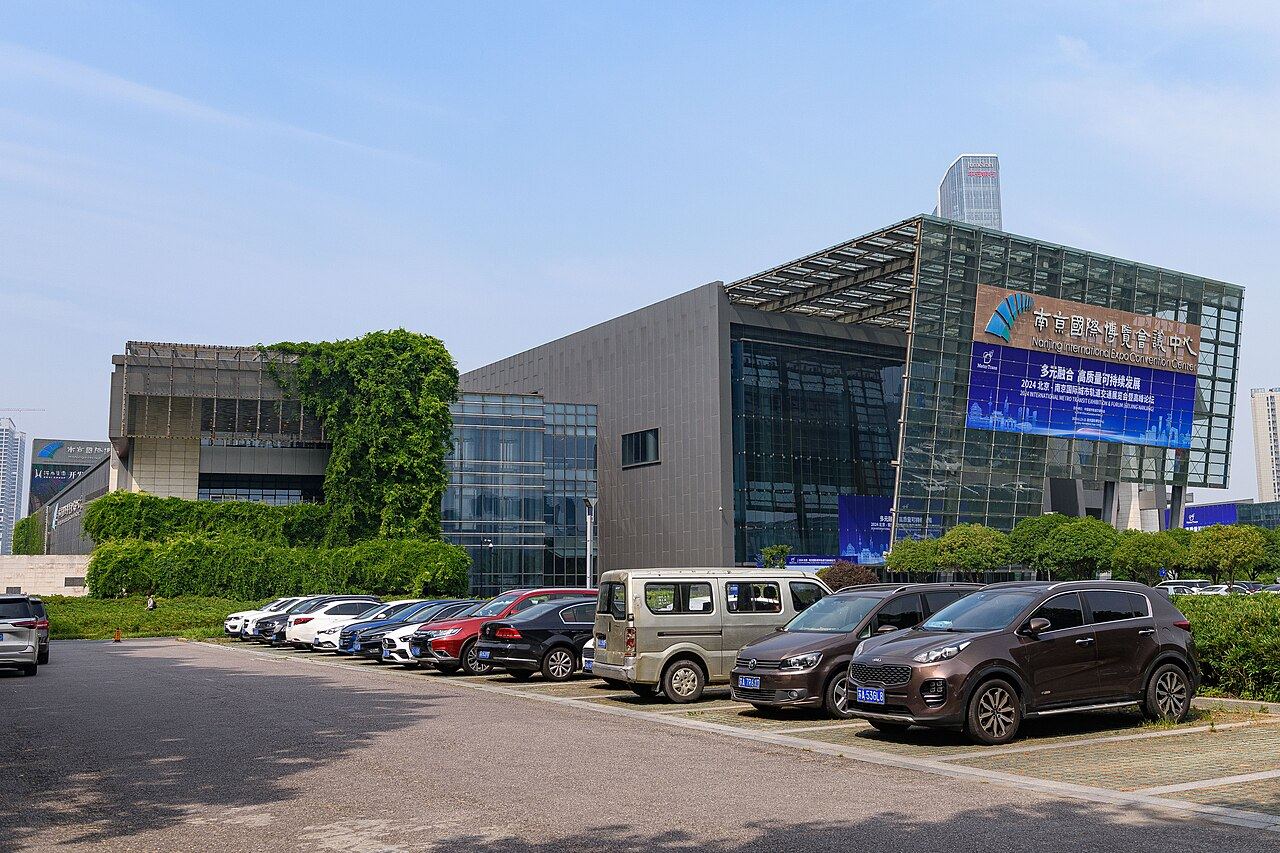
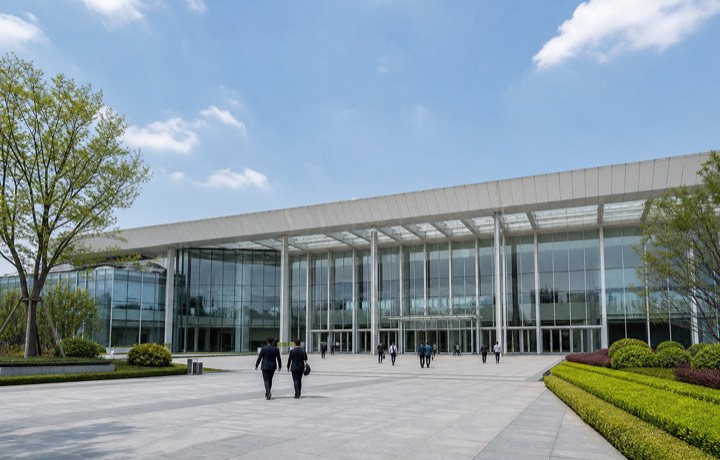
Nanjing: an ancient capital written into walls and landscapes
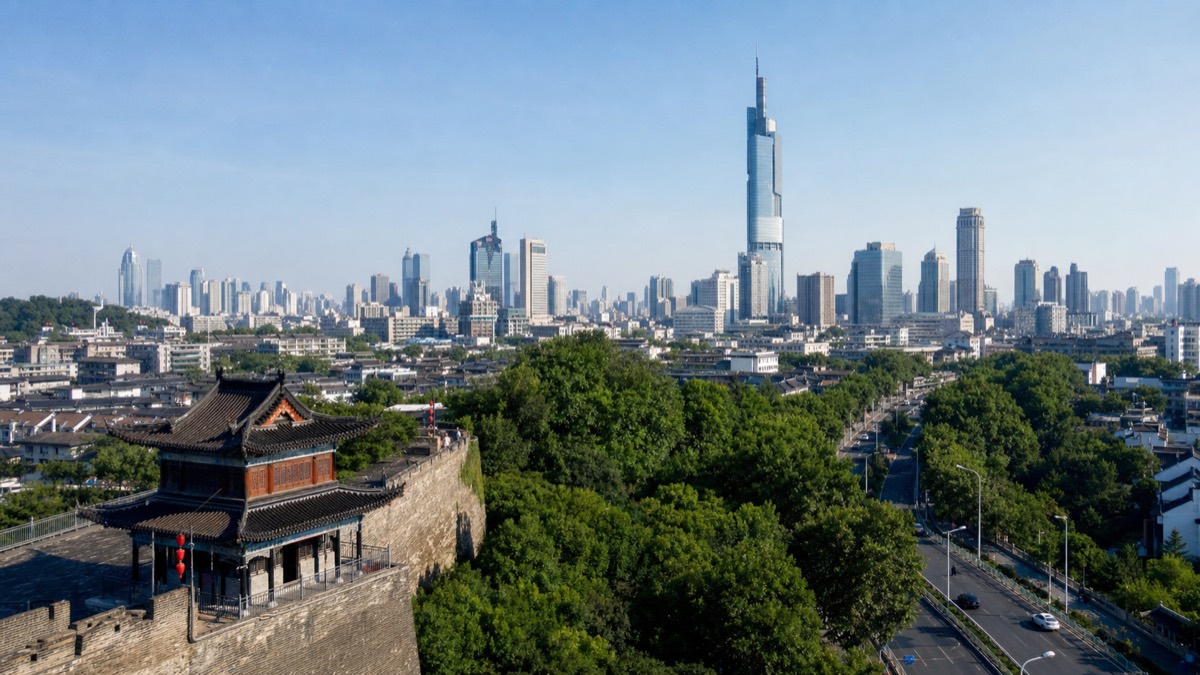
Nanjing's former-capital history remains visible in its city walls, Ming landscapes, museums and the districts along the Qinhuai River. Ming Xiaoling gives the city monumental depth, while the Confucius Temple area shows a more lived-in historic fabric; Yangtze transport, universities and advanced industry provide the modern layer.
Former capital
City walls and imperial sites reveal Nanjing's role across several major historical periods.
Ming landscape
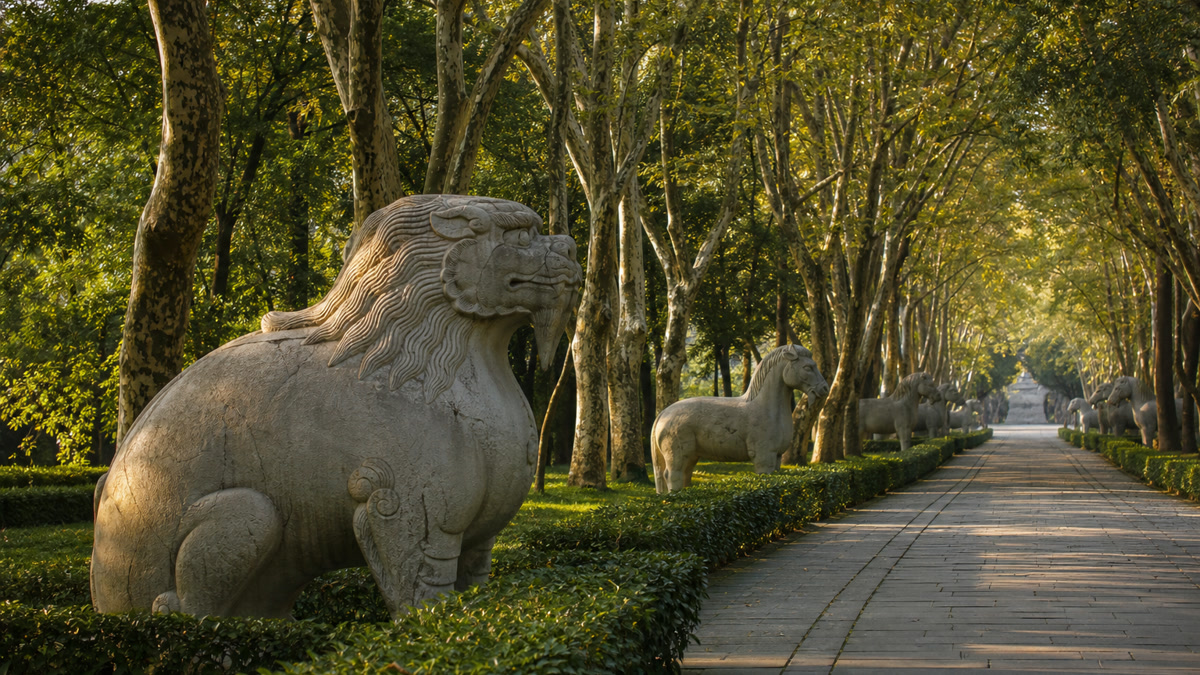
Ming Xiaoling combines monumental planning, stone carving and wooded scenery.
Yangtze metropolis
Universities, services, transport and industry keep Nanjing important in the lower Yangtze region.
When the schedule allows
A Little More of Nanjing, When Time Allows
These are city-specific recommendations for international visitors: major landmarks, credible cultural stops and practical shopping or dining districts.
Major regional museum
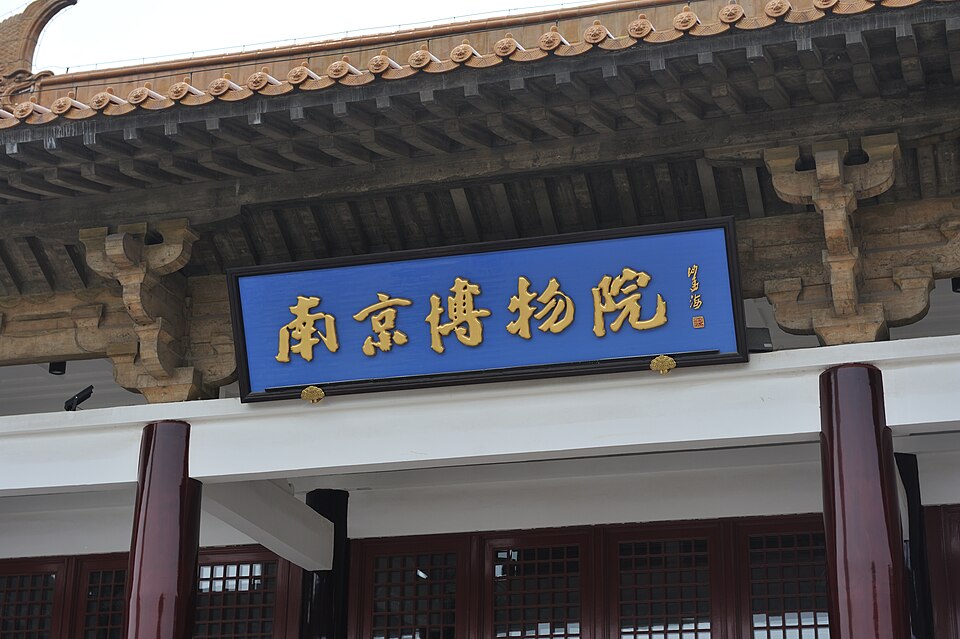
Nanjing Museum
One of China's strongest provincial museums, with collections that reward a genuine half-day rather than a hurried visit after a trade-show session.
Ming heritage and wooded landscape
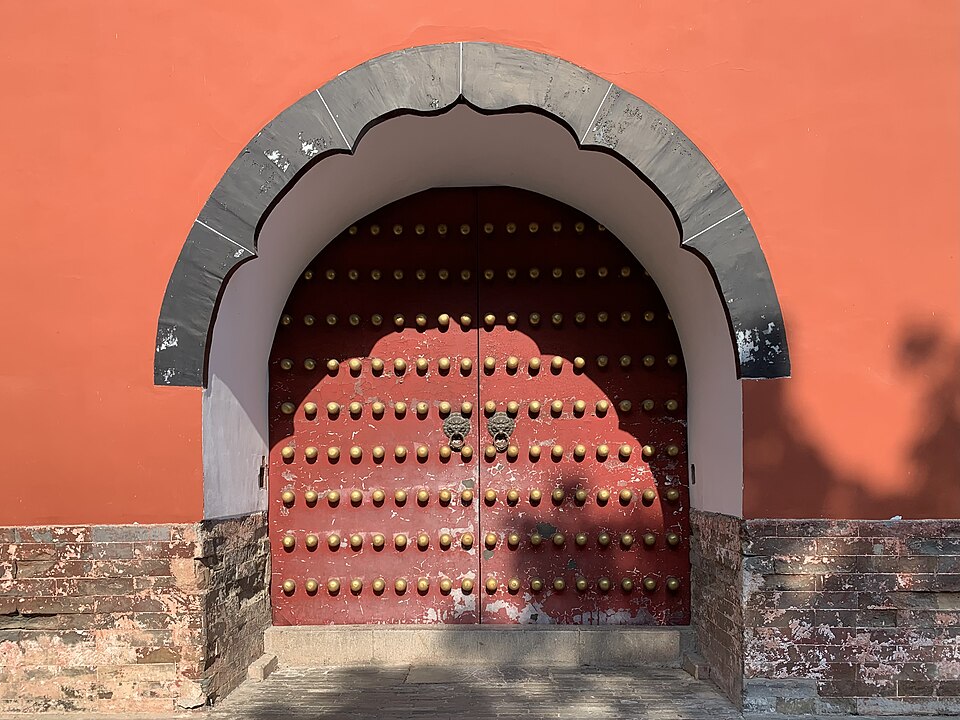
Ming Xiaoling Mausoleum
A landmark of Ming history set within the Purple Mountain area. Pair it with a clear outdoor half day rather than a narrow lunch break.
Historic quarter, dining and evening walk
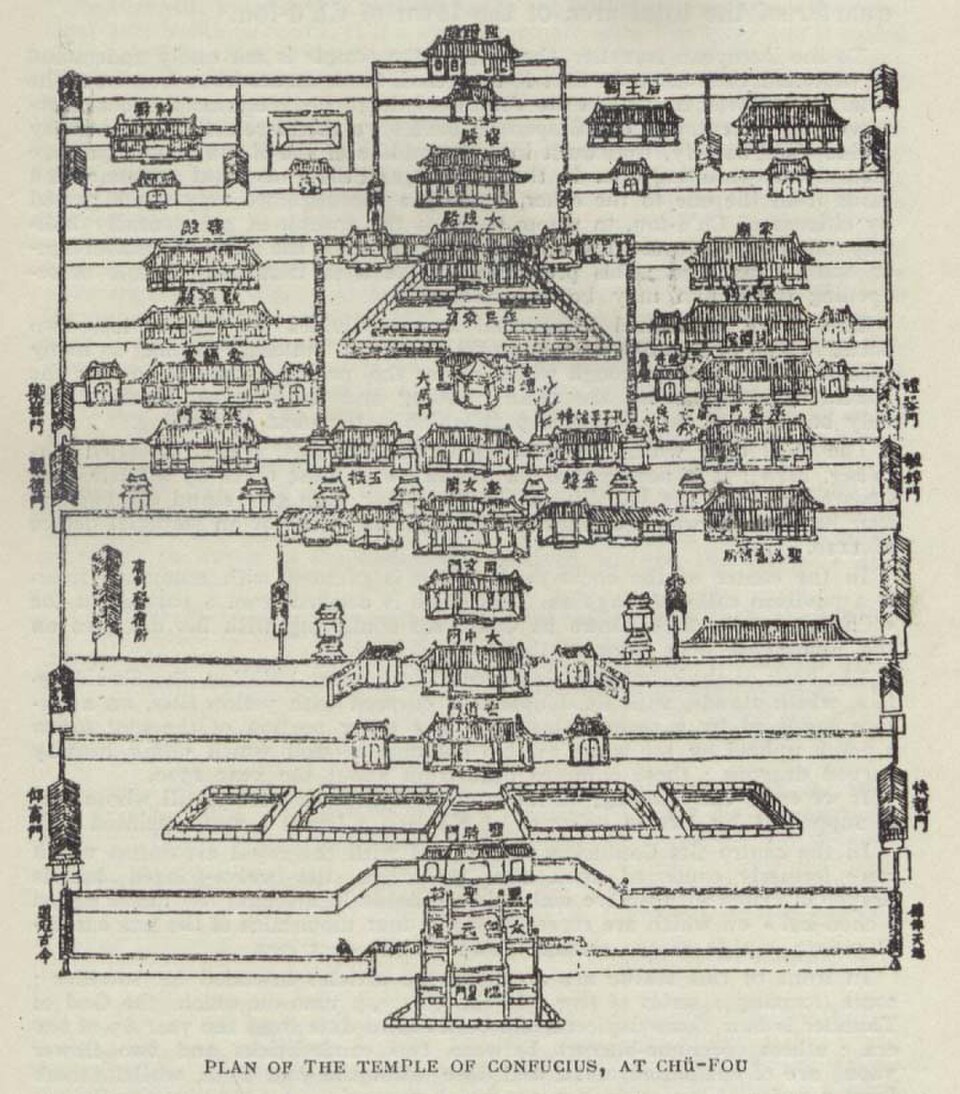
Confucius Temple & Qinhuai River
A lively historic commercial district that is easiest to use in the evening for a Qinhuai riverside walk, food and a short cultural look.
Central shopping and dining
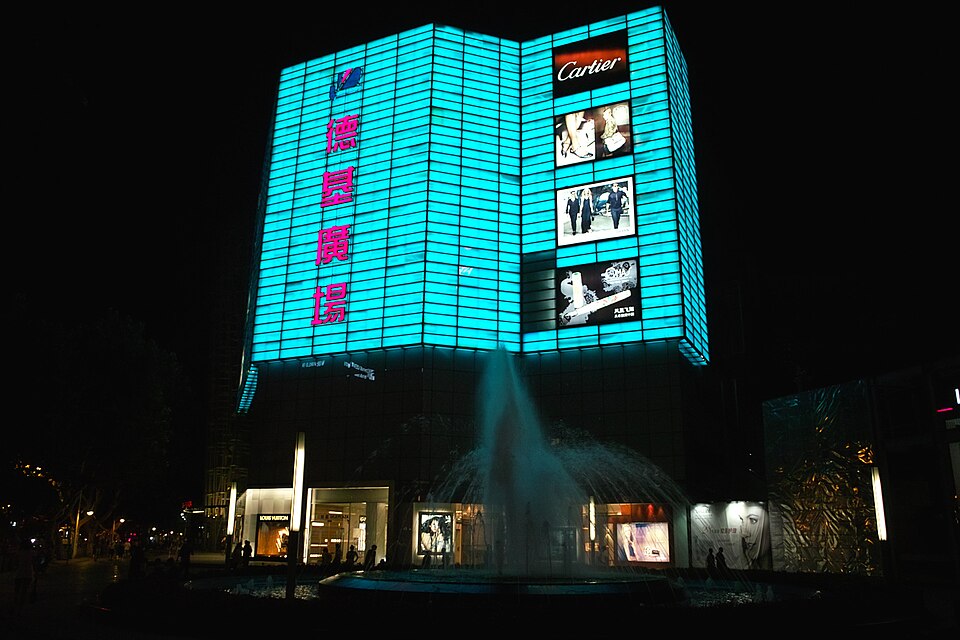
Deji Plaza & Xinjiekou
Nanjing's most practical central cluster for international retail, restaurant choice and a short stop between meetings; it is not presented as a cultural substitute.
Xentra Global
Connect Your Visit to Real Sourcing Work
We can help connect trade shows with supplier meetings, interpretation, factory visits and post-visit procurement follow-up.

 Featured