Macao: a compact crossroads of Chinese and Portuguese heritage
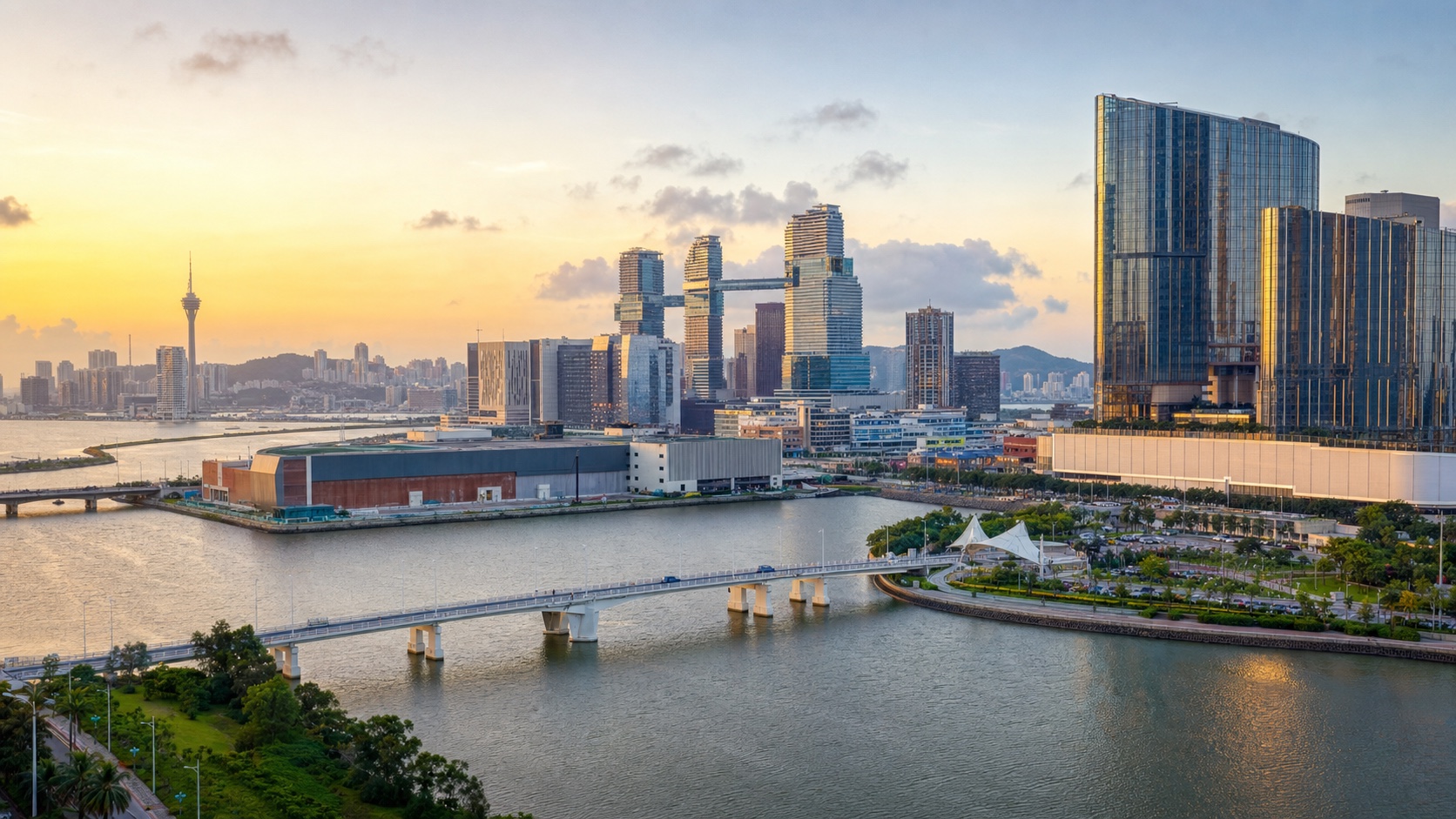
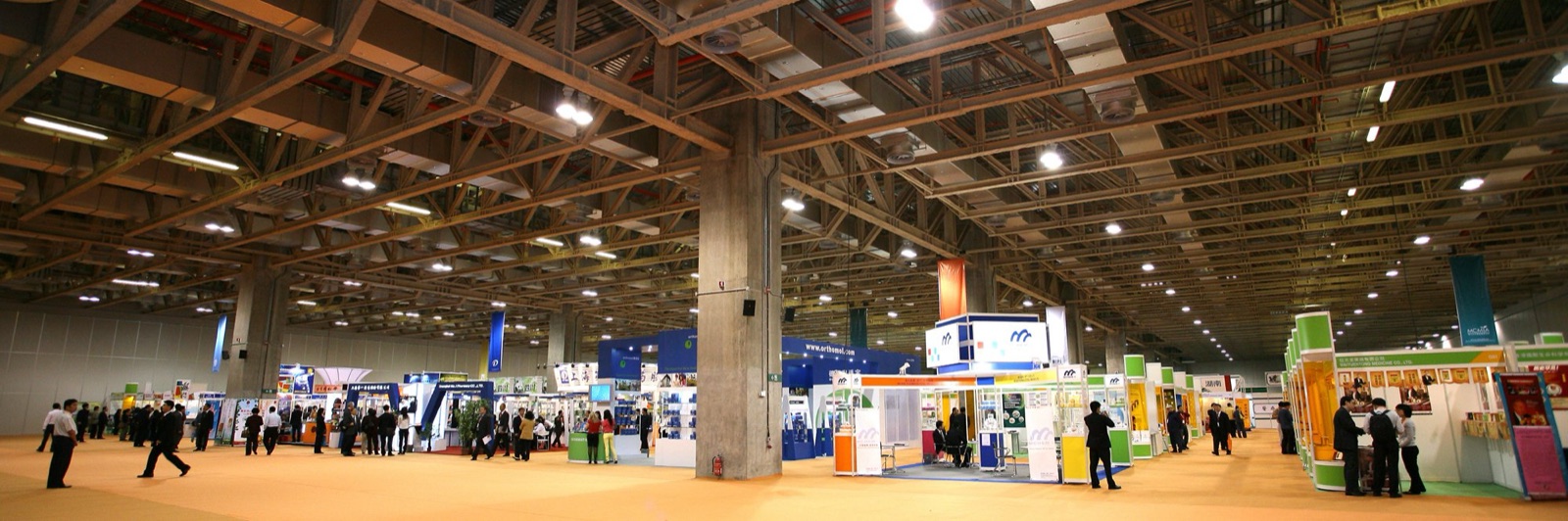
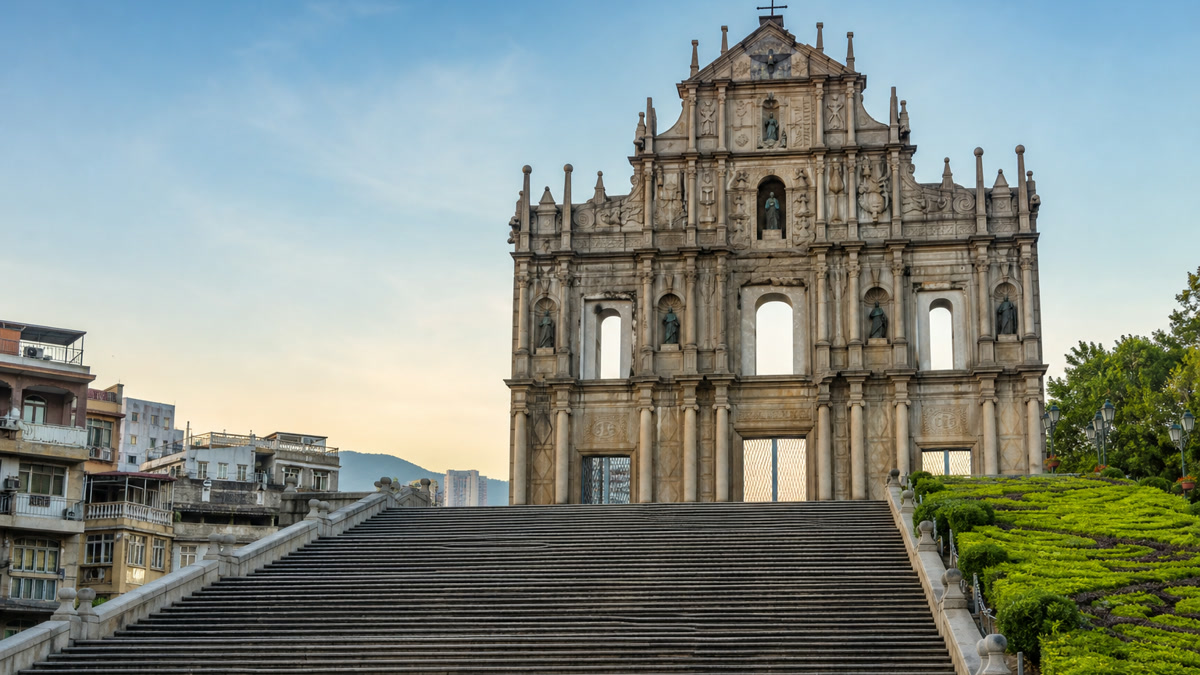
Macao's historic centre brings Chinese temples, Portuguese-influenced civic spaces and dense local streets into a remarkably compact area. The Ruins of St. Paul's, Senado Square and Taipa's older neighbourhoods reveal the city's maritime history; hospitality, entertainment and MICE services form the contemporary counterpoint in Cotai.
Historic centre
Major monuments and civic spaces can be understood through a concentrated walking route.
Chinese-Portuguese layers
Architecture, food and religious sites show centuries of cultural exchange.
Contemporary hospitality
Cotai's resorts and event facilities represent the modern visitor economy.
When the schedule allows
A Little More of Macao, When Time Allows
These are city-specific recommendations for international visitors: major landmarks, credible cultural stops and practical shopping or dining districts.
Historic Macao landmark
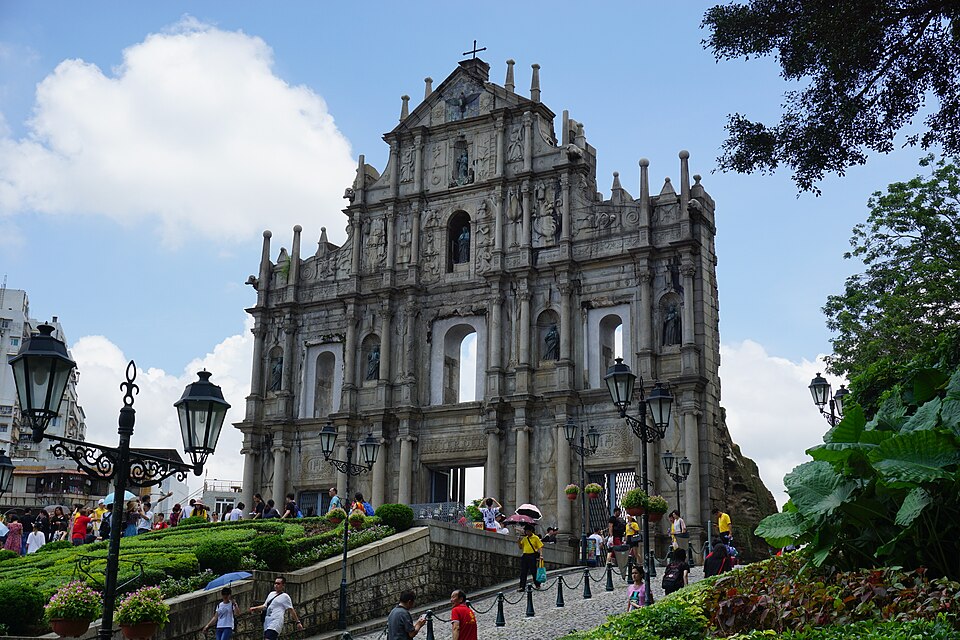
Ruins of St. Paul's
Macao's most recognisable historic landmark sits within a dense pedestrian area of churches, lanes and small shops; expect crowds and approach it as part of the wider historic centre.
Civic heritage district
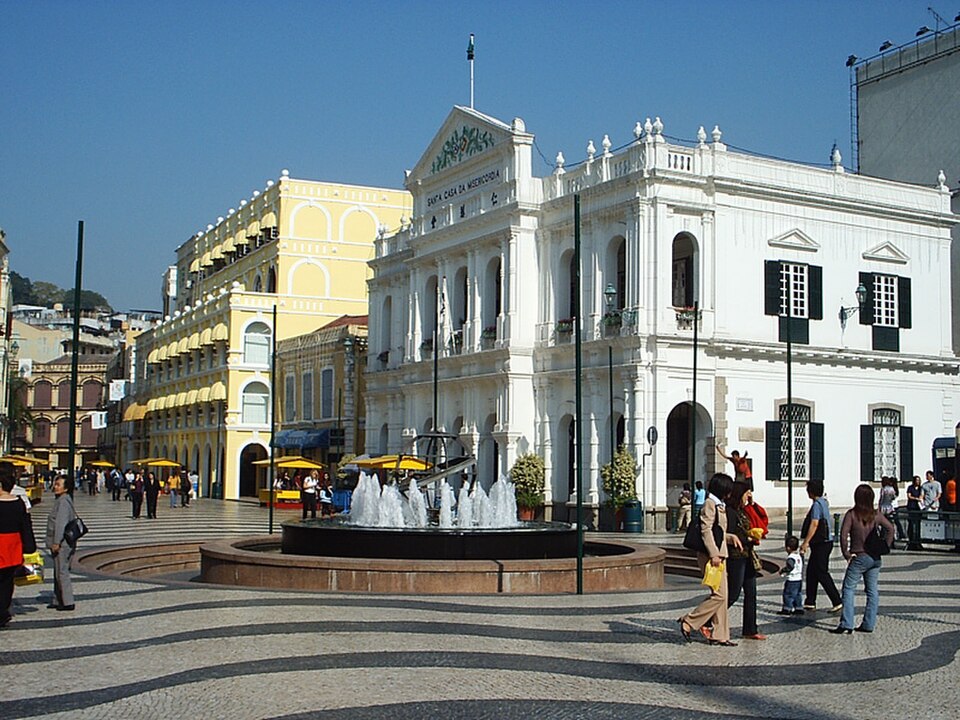
Senado Square
A central pedestrian square framed by Portuguese-influenced civic architecture and connected directly to Macao's main historic walking streets.
Taipa heritage and waterfront
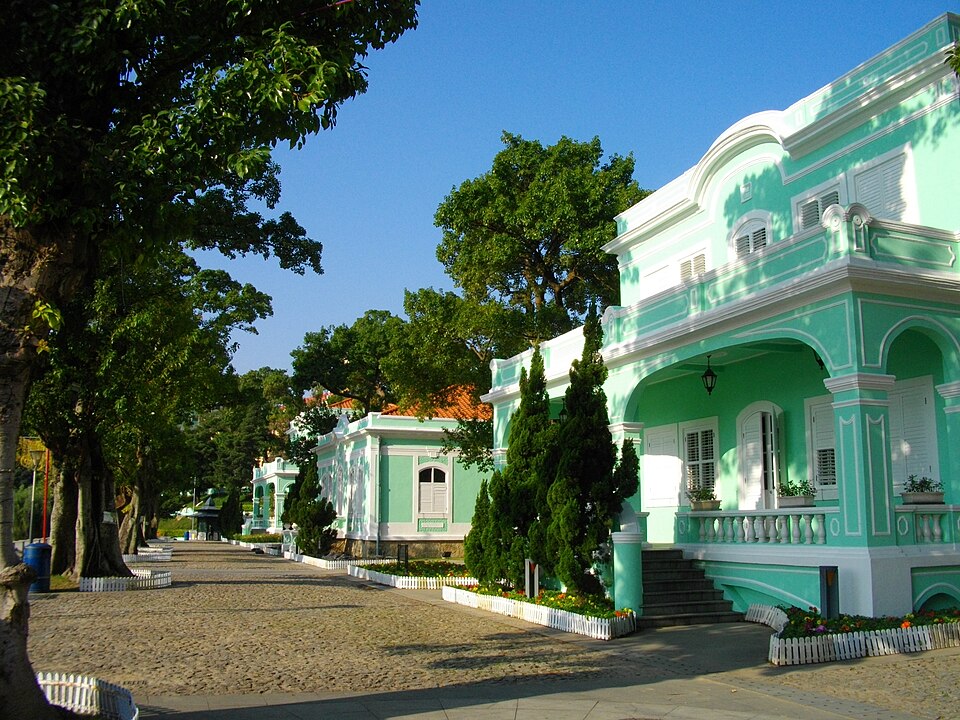
Taipa Houses
A quieter heritage stop near Cotai, combining restored houses, wetland views and access to Taipa Village without returning to the historic peninsula.
Xentra Global
Connect Your Visit to Real Sourcing Work
We can help connect trade shows with supplier meetings, interpretation, factory visits and post-visit procurement follow-up.