Foshan: Lingnan craftsmanship, martial arts and living heritage
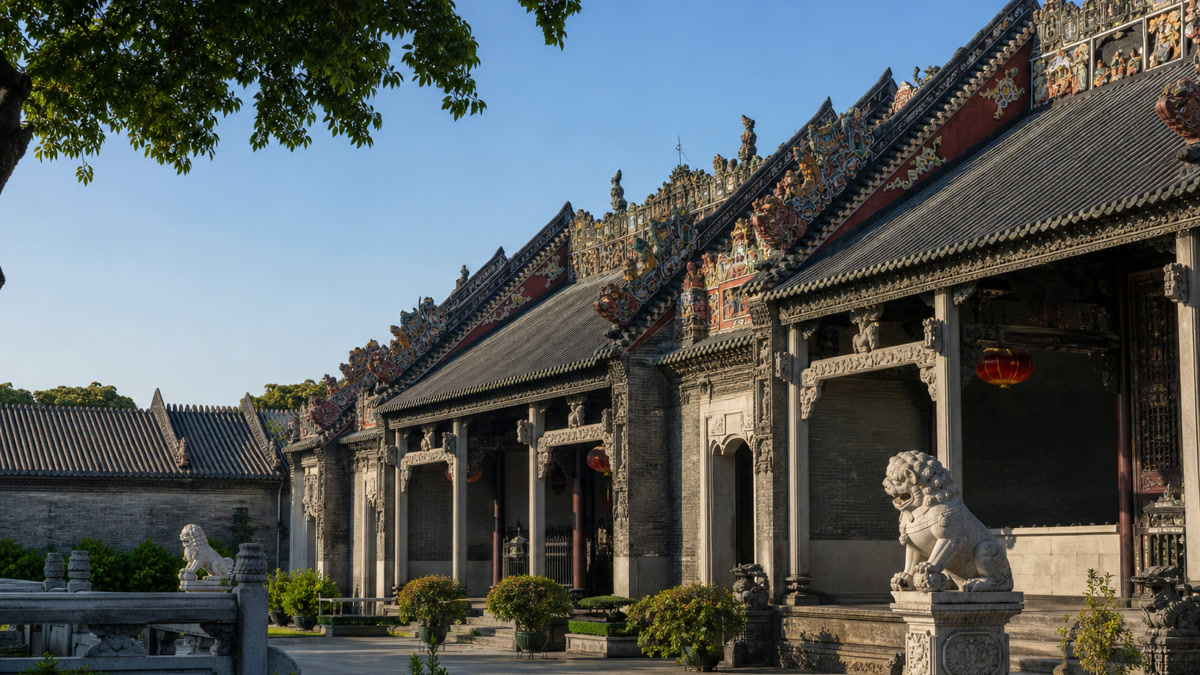
Foshan's cultural identity is rooted in Lingnan craftsmanship, ancestral-hall traditions, ceramics and martial arts. The Ancestral Temple and the restored lanes of Lingnan Tiandi provide the clearest introduction; furniture, ceramics and building-material industries show how a long productive tradition continues in modern form.
Ancestral Temple
Architecture, carving and folk ritual come together in the city's defining heritage complex.
Craft and martial traditions
Ceramics, lion dance and martial-arts culture remain central to Foshan's public identity.
Productive city
Modern manufacturing extends the city's long association with skilled making.
When the schedule allows
A Little More of Foshan, When Time Allows
These are city-specific recommendations for international visitors: major landmarks, credible cultural stops and practical shopping or dining districts.
Lingnan heritage and folk arts
Foshan Ancestral Temple
The essential historic Foshan stop, known for Lingnan architecture and local folk-art traditions. It fits naturally with a Chancheng or furniture-industry schedule.
Historic district, dining and retail
Lingnan Tiandi
Restored historic streets beside the Ancestral Temple, useful for a business dinner, short walk or client meeting in a more distinctive setting than a standard mall.
Near-city garden and Shunde food route
Qinghui Garden in Shunde
A high-value extension for visitors already going to Shunde for furniture or appliances: a classical garden that can be combined with a deliberately planned local meal.
Xentra Global
Connect Your Visit to Real Sourcing Work
We can help connect trade shows with supplier meetings, interpretation, factory visits and post-visit procurement follow-up.


 Featured